Don't just pass the BCBA exam. Become a BCBA people can trust.
For future BCBAs who want to lead with ethics, culture, and care, and do right by learners, RBTs, the science, and their community.
I will never be the BCBA who makes someone feel they're not worth the time.
I created this space for the student who did everything right and still got let down.
The first-gen student who trusted the professionals, jumped through every hoop, stayed too long, and worked harder, hoping someone would finally invest in them.
I know that feeling because I lived it. I stayed at a toxic company believing hard work would be enough. I lost over 1,000 fieldwork hours and had to start over.
This space is for future BCBAs who want to lead differently.
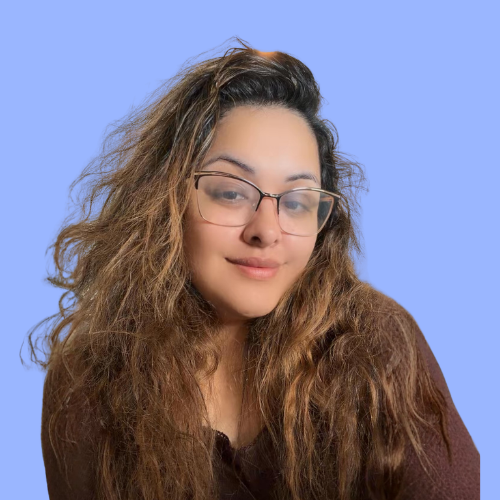
Hi, I'm Patty, a BCBA from Compton, California.
I started as a volunteer intern at Children's Institute, learning about the effects of trauma on development while working part-time at Target and Payless. Then I took a chance on a job in behavioral therapy, and it changed the direction of my career.
Today I'm a Board Certified Behavior Analyst with a Master of Education in Special Education (ABA) from the University of Washington, with special interests in NDBI, OBM, assent-based practice, culturally responsive care, and trauma-informed approaches.
I'm still that girl from Compton. I don't leave my culture, language, or story at the door to be taken seriously as a clinician, and neither should you.
Training you can verify.
Psychology, minor in Child Development
California State University, Long Beach
BCaBA coursework
California State University San Marcos
M.Ed., Special Education · ABA emphasis
University of Washington
Board Certified Behavior Analyst (BCBA)
Behavior Analyst Certification Board
Verify on the BACB Registry →Post-bacc, Communication Science & Disorders
Florida State University · SLPA training
Fieldwork supervision built around who you're becoming, not just the hours you're logging.
Real mentorship
Supervision where we think through your cases, questions, and hard calls together, not just sign-offs.
English and Spanish
Supervision in the language you think in, with someone who understands the families you serve.
Real clinical systems
The organization and supervision tools I use in practice, so you learn how to run a caseload.
Ethics and culture built in
The situations the task list doesn't prepare you for, like power, pressure, and cultural fit.
Community
Access to ABA con Amigas, so you're not figuring this out alone.
Waitlist members get first access.
This isn't about getting hours signed off. It's about becoming a more thoughtful, confident clinician.
I wanted more than someone signing off on my hours. I wanted a mentor who could think with me, challenge me, and care about the clinician I was becoming.
This changed how I think, not just how I work. I learned to question things, see the bigger picture, and understand the why behind what I'm doing.
One thing I appreciate is the honesty. If you didn't know something, you'd say so and look into it. That taught me being a good BCBA isn't about having every answer. It's about being willing to question, learn, and find the right one.
I came in wanting to become a better clinician, but I also learned about boundaries, organization, systems, and taking care of myself.
This space stands on a different standard.
You don't need more empty supervision.
You need support that helps you become the clinician you actually want to be.
Questions before December?
Write to me in English or Spanish and I'll get back to you as soon as I can.